
Bhutan remains the last Himalayan kingdom to have never been colonised or fully opened to the outside world, and it shows in every direction you look. This is the only country on earth that measures its progress in Gross National Happiness rather than Gross National Product, and it deliberately caps the number of visitors who may enter each year, which means you will find no queues, no crowds, and no sense of a place performing itself for tourists. What you find instead is a kingdom of fluttering prayer flags, cliffside monasteries, and dzongs that have stood for centuries, still very much alive with the culture that built them. It belongs on every serious traveller's list precisely because so few have been. I have chosen to experience it in the only way I believe does the country justice, moving slowly between the five Six Senses lodges that make up its finest and most complete circuit. Consider this your guide to doing Bhutan properly.
Need to Know
Currency:
Currency is the Bhutanese Ngultrum, pegged to the Indian Rupee, though most tour arrangements will be settled in US Dollars in advance.
Language:
The official language is Dzongkha, though English is widely spoken and is the language of instruction in schools.
Travel Documents:
Every international visitor other than those from India must travel on a pre arranged tour through a licensed operator, and Six Senses Bhutan will handle this entire process for you, including your visa and your Sustainable Development Fee, which currently stands at one hundred US dollars per person per night through August 2027.
Airports:
The single international gateway is Paro International Airport, served by Drukair and Bhutan Airlines with connections through Delhi, Kathmandu, Bangkok, and Singapore, and the approach itself, threading between Himalayan peaks, is one of the most spectacular landings anywhere in the world.
Best time to visit:
My advice is to visit between March and May, when the rhododendrons are in full bloom, or autumn, from late September to November, when the skies are at their clearest and the light is extraordinary.
Ideal length of stay:
If time and budget allow, I recommend doing a proper circuit through the five Six Senses lodges, allowing for a minimum of ten nights in order to experience it in its entirety.
Where to Stay
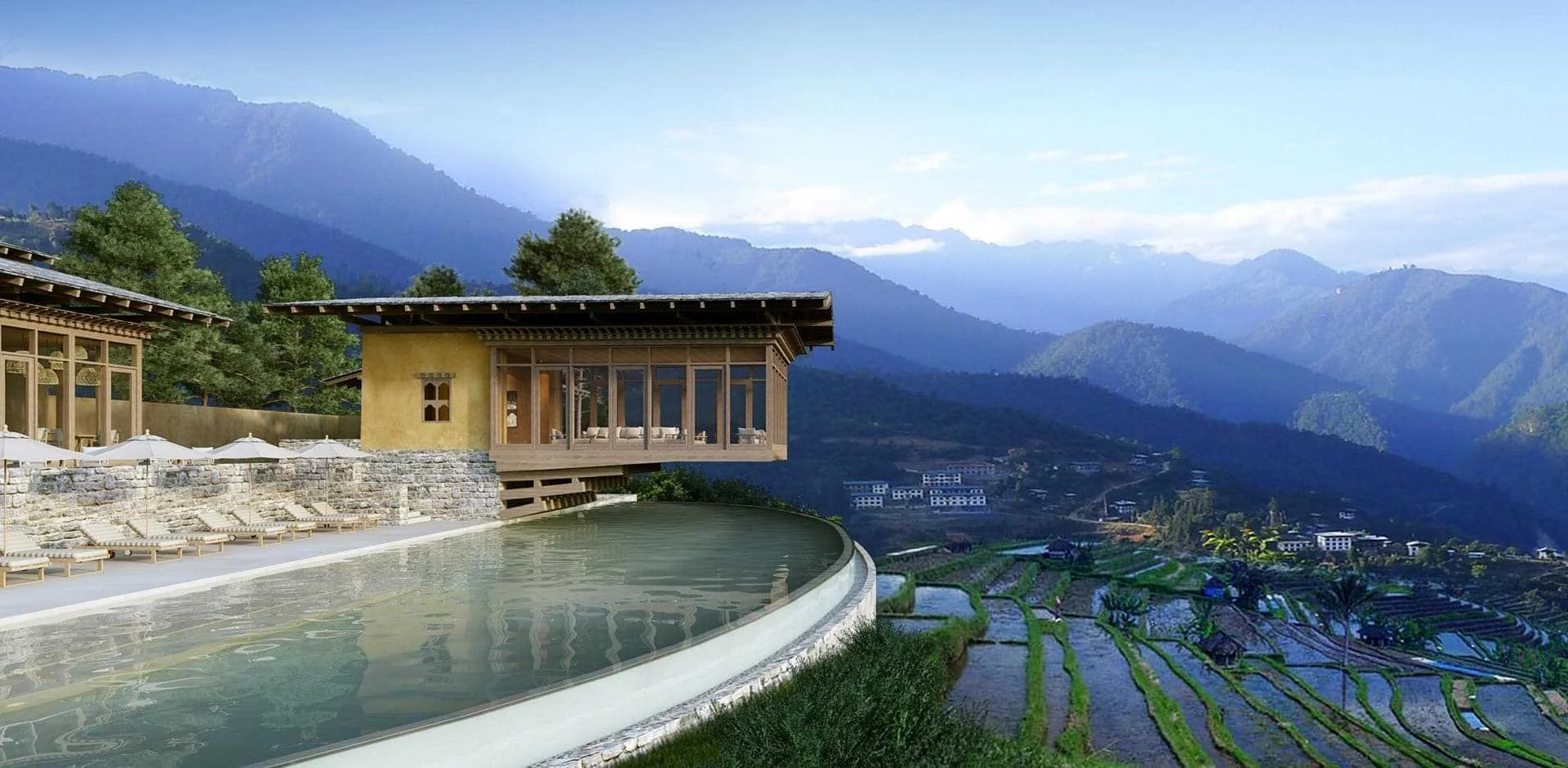
My go to recommendation is the Six Senses lodges in Bhutan, or a mixture of Aman and Six Senses lodges. The reason I lean toward Six Senses properties for this region is that they suit clients who want contemporary luxury, wellness, beautiful design, and a more polished resort experience, while Amankora is stronger for clients who prioritise something more intimate, understated, and traditionally Bhutanese in character. Six Senses generally feels more spacious, contemporary, and resort like, with larger villas and suites, expansive windows, and beautiful views perched on hilltops that tend to outshine Aman, along with more substantial public spaces.
The biggest differentiator, and where Six Senses truly shines, is how deeply wellness is woven into the entire Bhutan journey, through spas, yoga, meditation, holistic treatments, and wellness consultations at every stop. Its Thimphu property in particular has a remarkable wellness facility. Each lodge feels like a destination in its own right, deliberately designed around the character of the valley it sits in, and together Six Senses has created a wonderfully cohesive five lodge circuit, allowing you to experience Bhutan as a journey rather than simply a stay at one luxury hotel.
Six Senses Thimphu
Six Senses Thimphu is often the first stop, and it makes an unforgettable one. Known as the Palace in the Sky, it sits on a hillside among apple orchards and pine forest on the edge of the capital, its architecture drawn from the lines of a traditional dzong, with reflecting ponds that mirror the clouds above and a sunken outdoor performance deck for evenings under an extraordinary canopy of stars. Both this lodge and Six Senses Paro carry a Four Star rating from Forbes Travel Guide, and the wider Six Senses Bhutan collection was named a 2026 Forbes Star Award winner, praised for itineraries built around monks, archery, and Himalayan sunsets rather than scripted luxury.
Six Senses Punakha
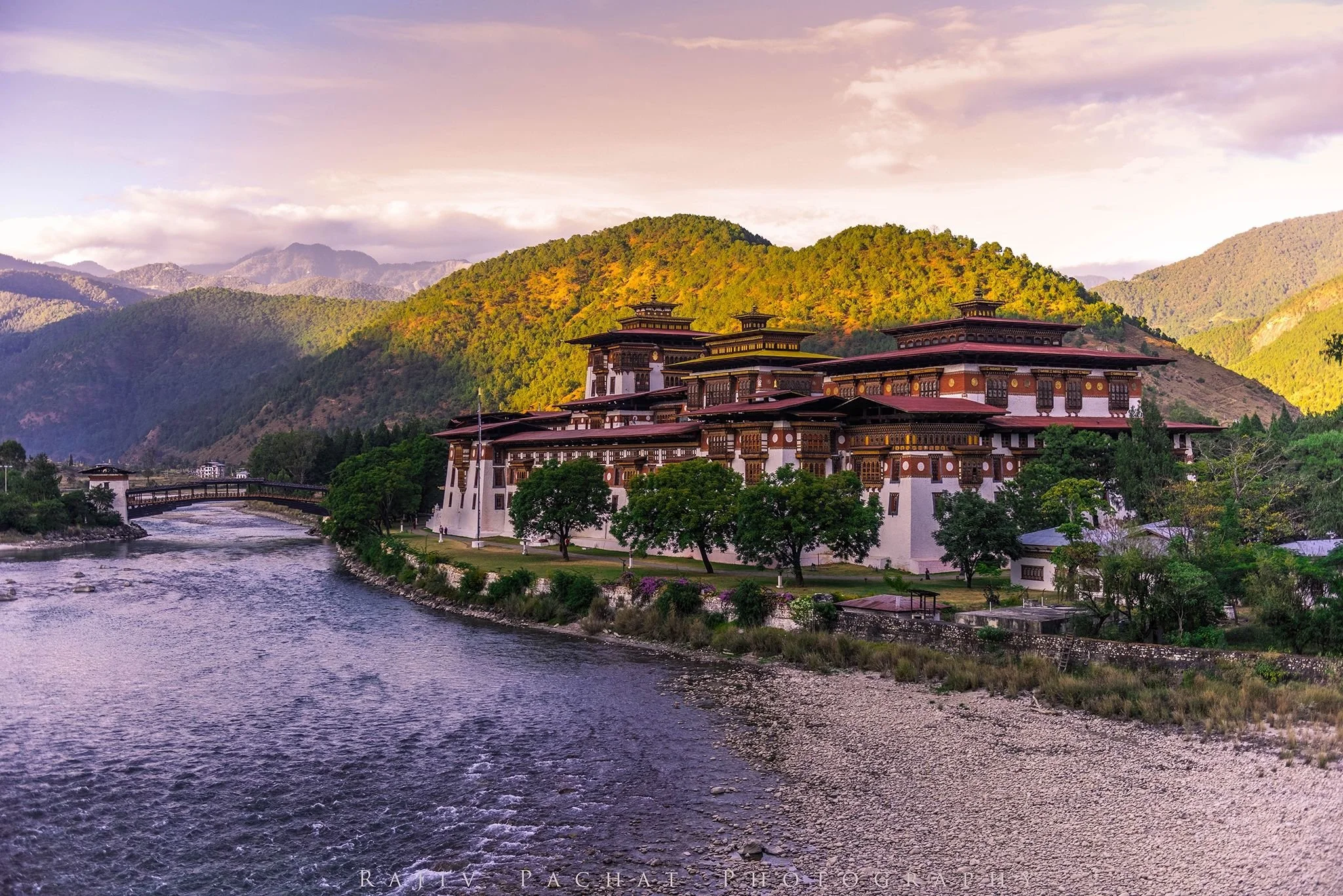
Six Senses Punakha is the Flying Farmhouse Amidst Rice Fields, set low in the warmest of the valleys and built in the spirit of the traditional cantilever bridges you will see everywhere in this region. This is where I would send anyone wanting a slower, more rustic pace, with yoga and meditation huts scattered through the terraces and the magnificent Punakha Dzong, arguably Bhutan's most beautiful, just a short drive away.
Six Senses Gangtey
Six Senses Gangtey looks out over the glacial Phobjikha Valley, home in winter to the rare black necked crane, and its design takes its cue from the traditional birdwatching platforms of the region. It is the most remote and the most contemplative of the five, and I always tell my clients not to rush this stop.
Six Senses Bumthang
Six Senses Bumthang was built as a forest within a forest, tucked beside the Chamkar Chhu river in Bhutan's spiritual heartland, a region scattered with some of the country's oldest temples. Guests who make it out this far consistently tell me it becomes their favourite of the entire journey.
Six Senses Paro
Six Senses Paro closes the circuit in dramatic style. Known as Stone Ruins, it is built into and around the remnants of an ancient dzong overlooking the Paro valley, and dining among those ruins, with the Himalayas turning gold at dusk, is one of the most romantic settings I know anywhere in the world. Whether you choose to experience one lodge or all five, Six Senses will arrange every detail of your private guide, driver, and vehicle between them.
What to Experience
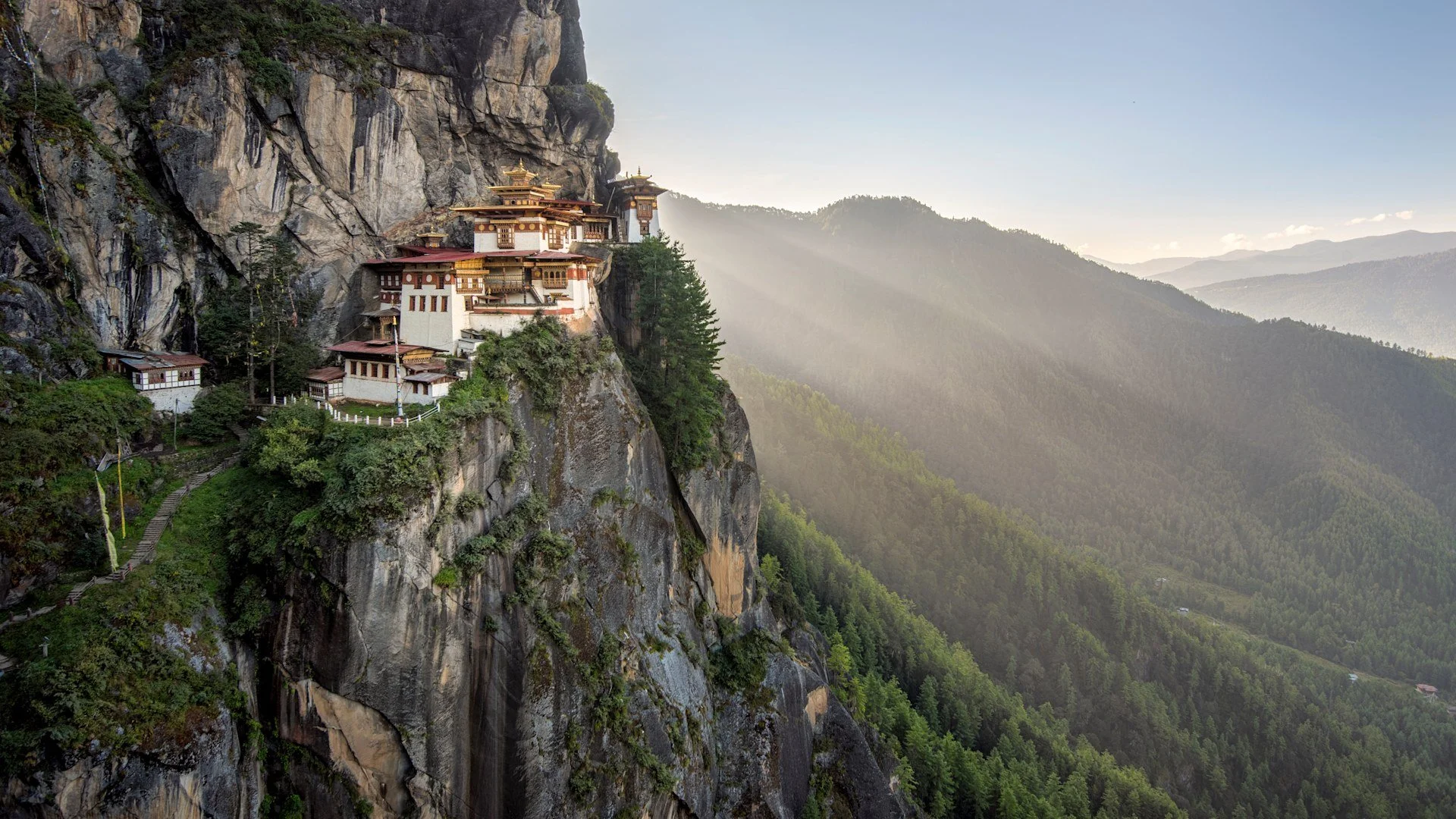
The hike to Paro Taktsang, the Tiger's Nest, is non negotiable, and it is every bit as extraordinary as the photographs promise. Condé Nast Traveler named it one of the Seven Wonders of the World to Visit, and I agree wholeheartedly. This cliffside monastery clings to a rock face three thousand metres up, built around the cave where Guru Rinpoche is said to have meditated after arriving on the back of a flying tigress, and the round trip takes a full morning or afternoon. I always tell clients not to rush the early start, the monastery does not catch the sun until mid morning, so a slower start with a proper breakfast serves you just as well. Beyond the Tiger's Nest, the experiences change lodge by lodge and that is the entire point of the journey. In Thimphu, ask for the Lungsigang High Tea, a gentle half hour hike up to a mountaintop plateau with views over the great Buddha Dordenma statue and the valley below, rewarded with homemade momos, khabsey, and Zao popped rice alongside masala chai and yak butter tea. In Punakha, take cocktails at golden hour on the riverside terrace overlooking the rice terraces, or hike up to the small hilltop Chorten Ningpo. In Gangtey, spend a slow afternoon watching the black necked cranes glide over the Phobjikha Valley on a guided nature walk, which Six Senses ends with hot chocolate and a boozy hot toddy as the birds settle in for the evening. In Bumthang, do not miss the hot stone bath, a centuries old Bhutanese tradition using river stones heated over an open fire and infused with medicinal herbs. And in Paro, save the best for last, a private dinner set among the lodge's ancient stone ruins, the valley lights below and the mountains fading into the dark. If your dates allow, ask about archery, Bhutan's national sport, a wonderfully theatrical and surprisingly moving thing to watch played out in full traditional dress.
Where to Shop
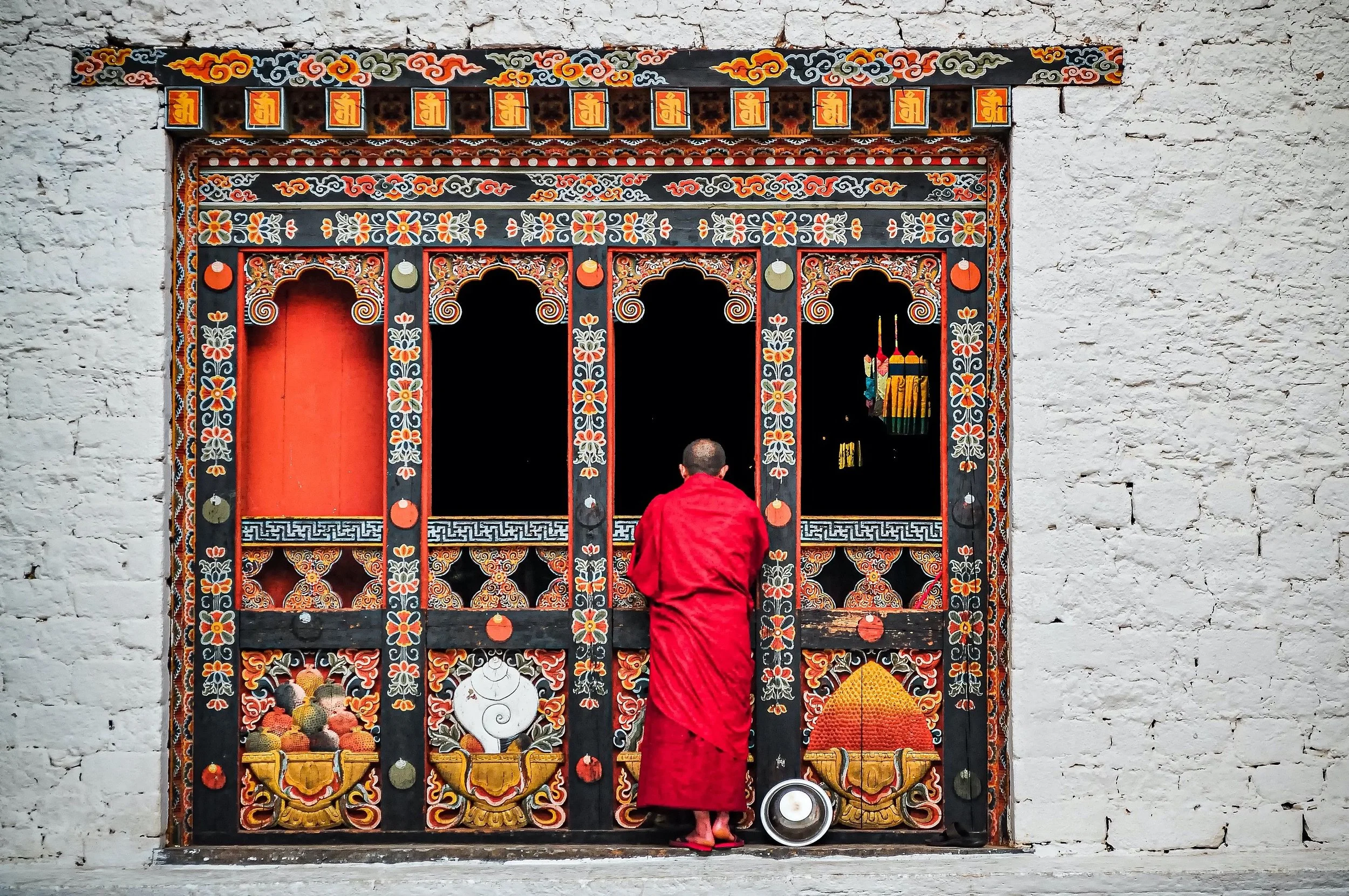
Bhutan is not a shopping destination in the conventional sense, and that is precisely its charm, every piece you bring home was made by hand and carries real meaning. In Thimphu, head straight to Norzin Lam, the capital's main thoroughfare, where you will find shops selling hand woven textiles, gho and kira fabric in extraordinary colour, thangka paintings, and silver jewellery set with coral and turquoise. The National Handicrafts Emporium, a government run shop just off Norzin Lam, is the most reliable place for quality pieces across weaving, wooden masks, and traditional boots, with no pressure and a genuinely wide range of prices. For the textiles themselves, ask your guide to take you to the Gagyel Lhundrup Weaving Centre, where you can watch master weavers at work on pieces destined for the Royal Family before choosing your own. The Craft Bazaar, a row of eco built bamboo stalls also on Norzin Lam, is the best spot for smaller, village made treasures, prayer beads, brass Buddhas, and hand carved wooden bowls, bought directly from the artisans who made them.
Where to Eat
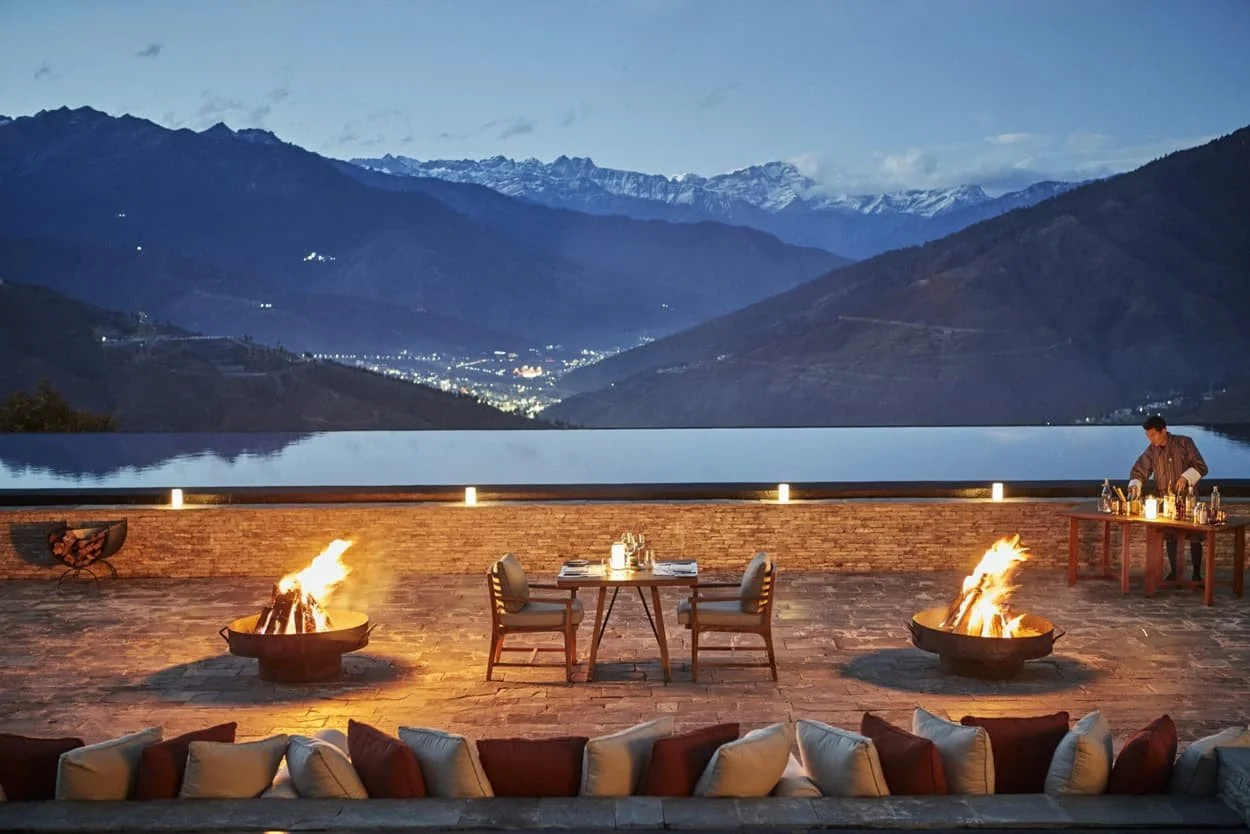
Bhutan is not a country of restaurant hopping, and dining here is very much part of the lodge experience itself, which suits the pace of the journey beautifully. At Six Senses Thimphu, the signature restaurant serves refined Bhutanese fare built around Himalayan herbs and spices, and it is the place to try ema datshi, the chilli and cheese dish that is something of a national obsession, done properly for the first time. Punakha's dining looks over the rice fields themselves, farm to table in the truest sense, with vegetables and herbs coming from the lodge's own gardens. Paro's dining among the stone ruins is the most theatrical of the five and the one I would build an entire evening around. Between lodges, ask your guide to stop at a proper Bhutanese farmhouse lunch, a home cooked spread of red rice, datshi, and seasonal greens is one of the most memorable meals you will have in the kingdom, and no restaurant can quite replicate it.
Exclusive Lady Stephanie Perks
When you book your escape through me, I make sure you are looked after with these special touches at each property.
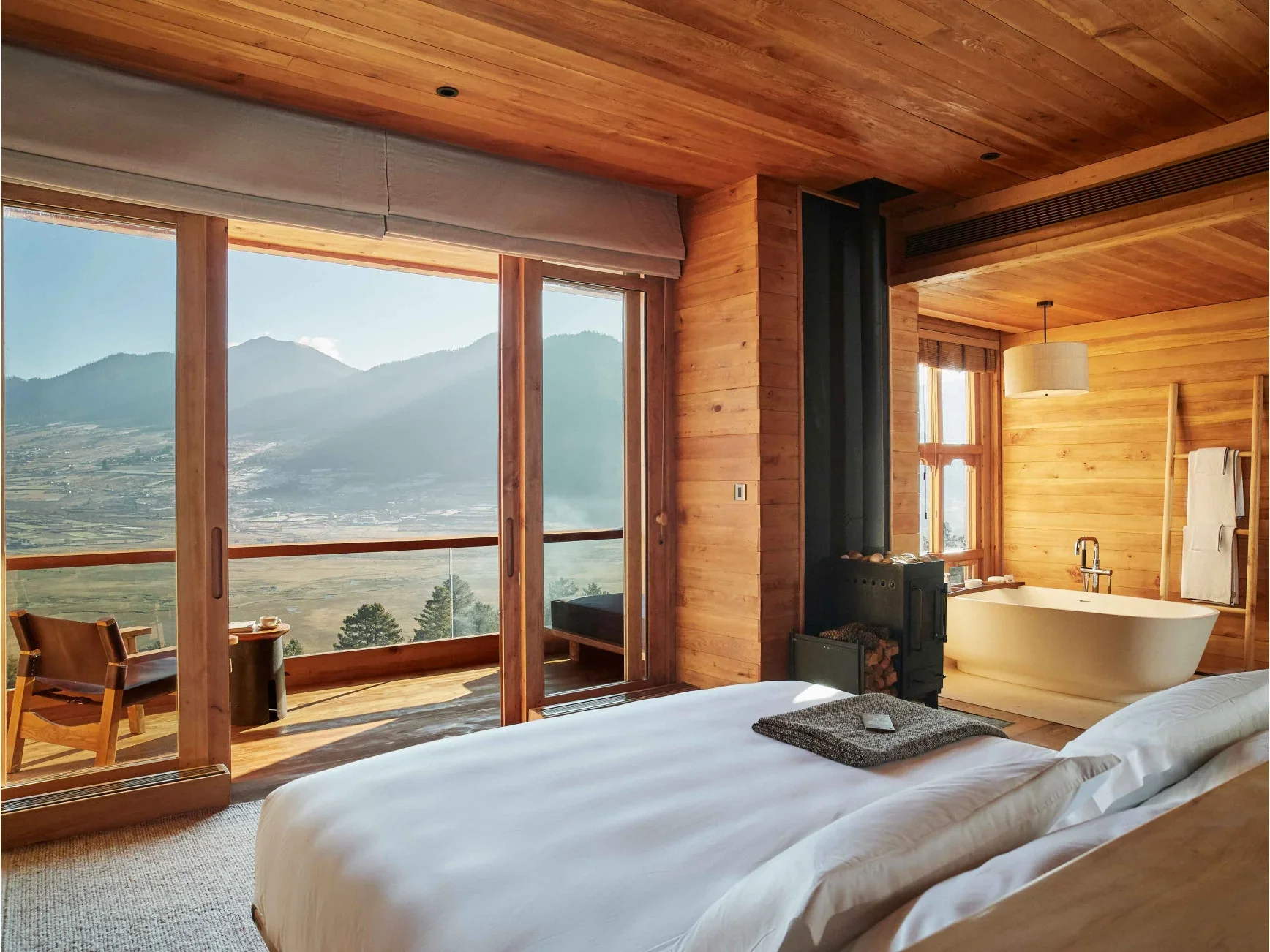
✧ Upgrade on arrival, subject to availability
✧ Daily breakfast for up to two guests per bedroom
✧ $100 USD equivalent Resort or Hotel credit to be utilized during stay
✧ Early check-in / Late check-out, subject to availability
Trips to Add On
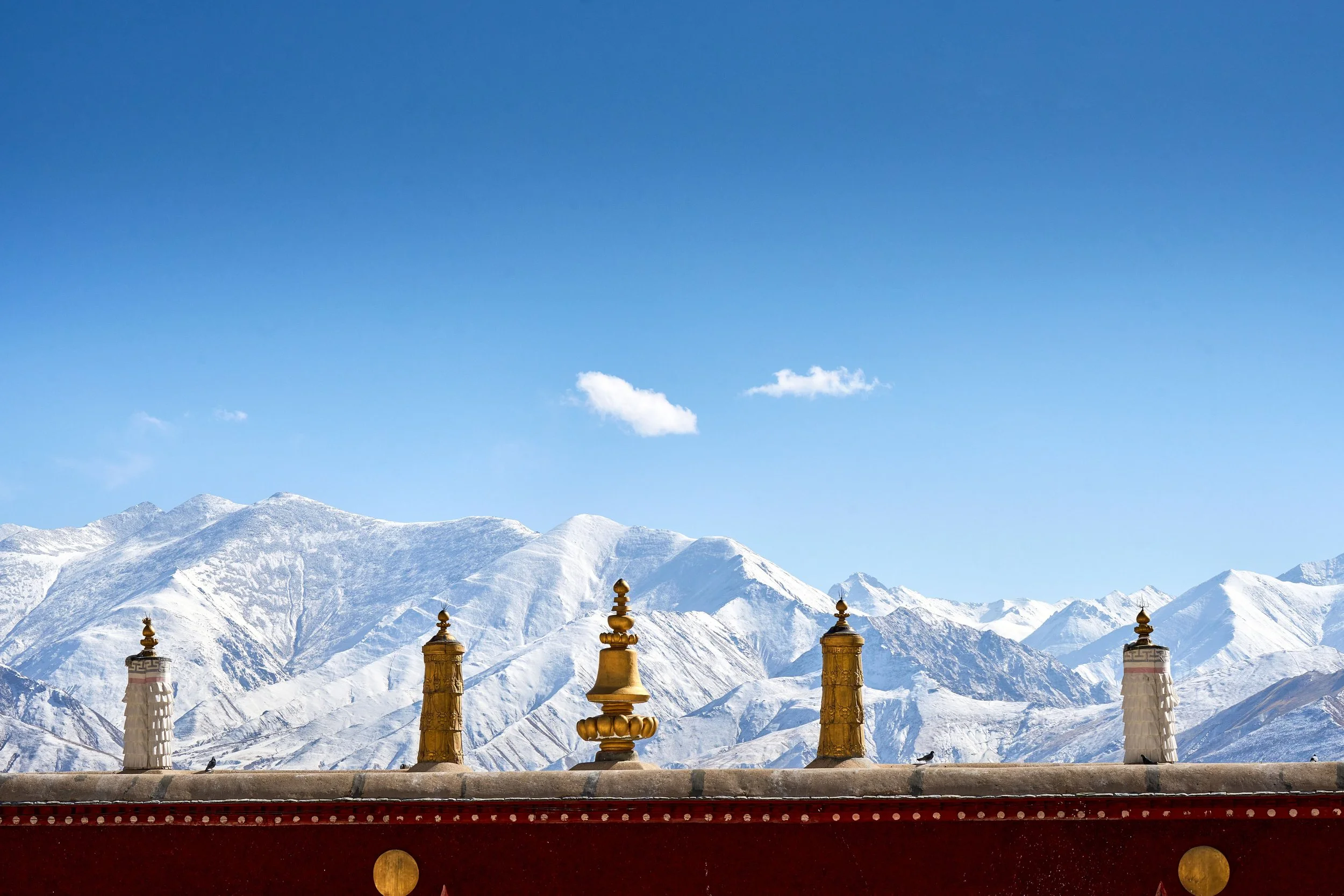
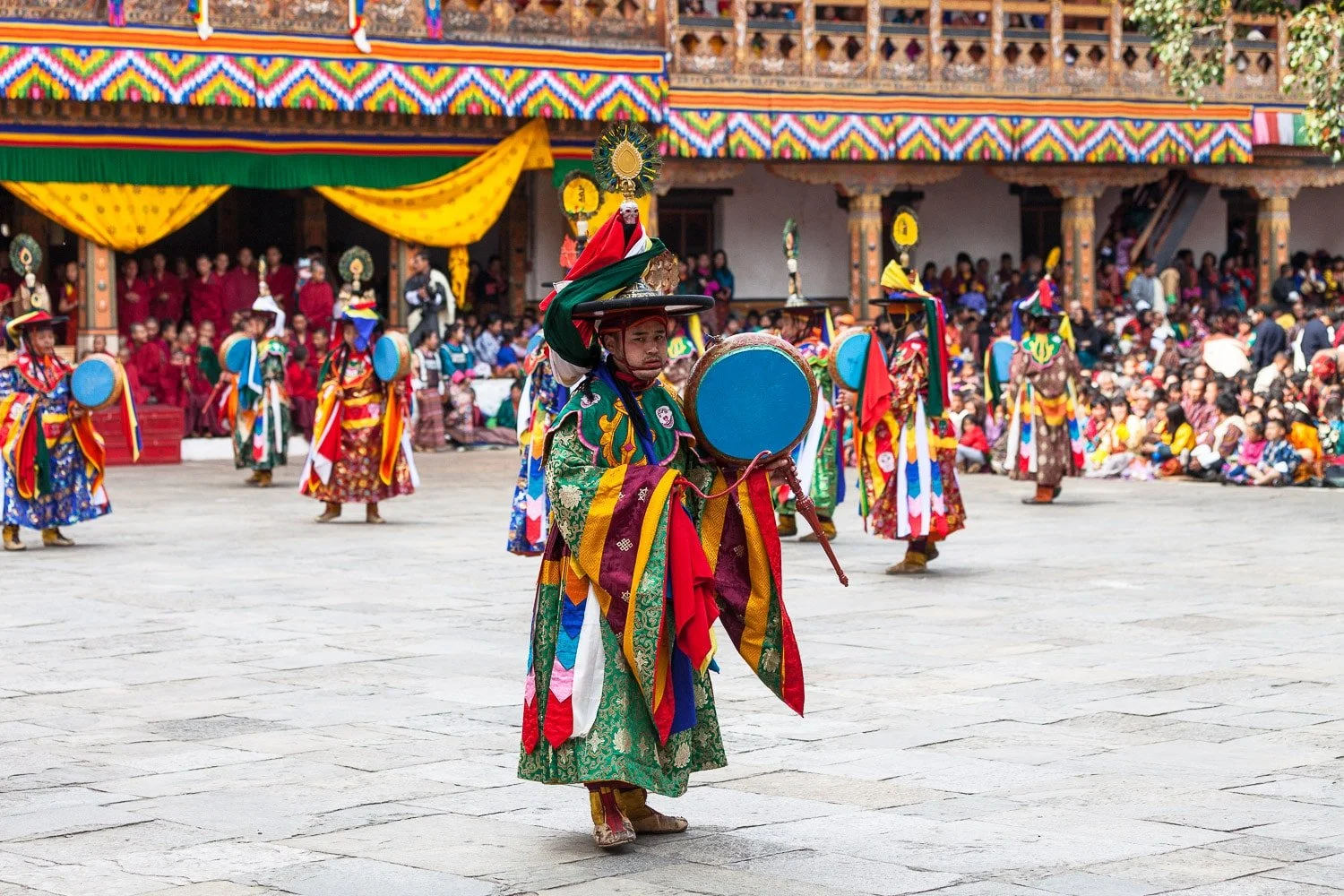
Bhutan pairs beautifully with Nepal, India, or Tibet for a longer Himalayan journey. Add Kathmandu and an Everest experience for dramatic contrast, or combine Bhutan with Delhi and Rajasthan for a journey of palaces, culture, and mountains. Within Bhutan, adventurous travellers can venture beyond Bumthang into the remote eastern valleys, while autumn visitors can plan around a tshechu festival or the return of the rare black necked cranes to Gangtey.